
Introduction
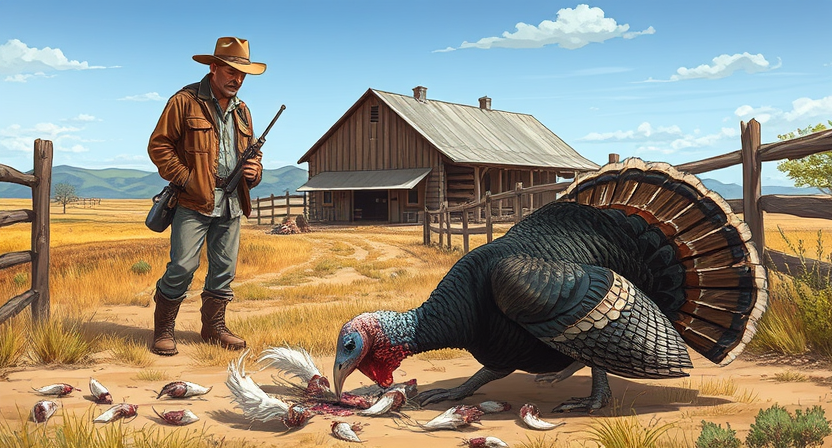
Living in Texas the blend of wildlife livestock and hunting traditions often creates unique scenarios where animals interact in unintended ways. One such incident is when a hunting dog kills a turkey be it wild or domesticated. Understanding the legal ethical and practical aspect of such event is crucial for a fair and stress free resolution.
This guide covers the steps to take the laws you should be aware of and preventative measures to protect your turkey. Whether you are a turkey owner or a hunting dog handler responsible practices and informed action can make all the difference.
Understanding the Context
Domestic vs. Wild Turkey
- Domestic Turkey: Considered livestock under Texas property law. Their loss can result in compensation claim.
- Wild Turkey: Protected wildlife managed by the Texas Park and Wildlife Department. Harm to them involves state specific regulation and possible fine.
Hunting Dog Behavior
Texas Property Law
- Domestic Turkey as Property: If a domestic turkey is killed the dog’s owner may be held liable for damage.
Wildlife Protection
- Wild Turkeys: Killing or harming a wild turkey outside of hunting regulation is illegal. This includes situation where a hunting dog is the cause.
Owner Liability
- Strict Liability: Texas laws generally hold pet owner accountable for the action of their animal especially if negligence can be proven.
Immediate Step to Take
1. Secure the Area
Prevent further damage by restraining the hunting dog and securing your remaining turkeys. Building a safe space for your turkey ensure future protection.
2. Document the Incident
Take the following action to strengthen your case:
- Photograph the turkey the hunting dog and the scene.
- Note the date time and location of the event.
3. Identify the Dog Owner
If the hunting dog owner is known or can be identified approach them calmly. Open communication can resolve most dispute amicably.
4. Report the Incident
- For Domestic Turkey: File a police report or contact animal control.
- For Wild Turkey: Notify TPWD to ensure compliance with state law.
Estimating Damage
To determine compensation consider:
- Market value of the turkey.
- Costs for veterinary care.
- Emotional and operational losses.
Approaching the Dog Owner
When approaching the dog owner it crucial to remain calm and composed. Begin by explaining the incident clearly outlining what occurred. Present any evidence you have gathered such as photograph of the scene detail about the damage and an estimated monetary value of your loss. Openly discuss how the situation has affected you and express your desire to resolve the matter amicably.
Engaging the dog owner in a respectful non confrontational manner often lead to positive outcome. Highlight the potential for mutual understanding and emphasize that resolving the issue without legal intervention is in everyone best interest. By fostering an open dialogue most conflicts can be resolved through mutual agreement and compensation for damage.
Legal Option
If negotiations with the dog owner fail or if they refuse to take responsibility pursuing legal action may be necessary. Begin by consulting an attorney who specializes in Texas property or wildlife law to evaluate the strength of your case.
A civil lawsuit can be filed to claim compensation for your losse including the monetary value of the turkey and any emotional or operational damage. An experienced attorney can guide you through the legal process ensuring that all relevant evidence and documentation are presented effectively. Legal action should be considered as a last resort but it can provide a structured and enforceable resolution when all other avenues fail.
Preventative Measure for Future Incident
For Turkey Owner
- Fencing and Enclosure: Build sturdy fencing to keep hunting dog and other predator away.
- Warning Sign: Use sign to inform other about your livestock.
- Night Enclosure: Keep turkey in secure housing during nighttime or high risk hour.
For Hunting Dog Owner
- Training: Ensure your dog are well trained to follow command and avoid attacking livestock.
- Supervision: Always supervise your dog especially near residential or farm area.
- GPS Tracker: Equip dogs with tracker to monitor their movements during hunt.
Special Cases Involving Wild Turkey
When a wild turkey is involved the situation become more complex:
- Contact TPWD: Report the incident to ensure legal compliance.
- Provide Evidence: Submit photo or other documentation to authorities.
- Avoid Hunting Penaltie: Ensure your dog actions don’t violate wildlife protection law.
Ethical and Emotional Consideration
Incidents like these can be emotionally charged for both parties. Turkey owner often experience a deep sense of loss particularly if the turkey held sentimental or financial value. On the other hand, dog owners may feel a combination of guilt worry about liability or frustration if they believe the situation was unavoidable. It essential to approach the matter with empathy and respect for each other perspectives.
Open communication can help defuse tension and pave the way for an amicable resolution. Both parties should focus on constructive dialogue to avoid escalating the situation. Empathy patience and understanding are key to handling such emotionally sensitive incidents effectively.
FAQ
Can a hunting dog owner deny responsibility
While they may attempt to do so Texas law generally hold pet owner accountable for damage caused by their animal.
What happen if the turkey was wild
You will need to report the incident to TPWD for investigation. The dog owner could face fine or penaltie.
Are there penaltie for negligent hunting dog owner
Yes if negligence or wildlife protection laws are violated the owner may face fine or legal consequence.
What if I can not identify the dog owner
Report the case to local authoritie or animal control to document the incident and seek resolution.
How do I avoid incident during hunting season
Install clear boundarie use warning sign and stay vigilant during peak hunting period.
To include outbound links I suggest linking relevant sources and organizations within the article. Below are some recommendations to integrate outbound links effectively:
- Texas Parks and Wildlife Department (TPWD): Link to their website for reporting wildlife incidents and understanding regulations. Example:
- Wild Turkeys: Killing or harming a wild turkey outside of hunting regulations is illegal. Learn more on TPWD’s website.
- Animal Control Services: Include a link to resources for finding local animal control services:
- Report the Incident: File a police report or contact animal control services in Texas.
- Legal Advice on Animal Laws: Link to a resource offering legal help or an attorney directory for animal-related cases:
- Legal Options: Consult an attorney experienced in Texas property or wildlife law.
- Livestock Protection Tips: Provide an external guide to fencing and livestock safety:
- Fencing and Enclosures: Build sturdy fencing to keep hunting dogs away. Find tips on effective fencing.
Let me know if you’d like me to implement these links into your document!
Conclusion
Dealing with an incident where a hunting dog kill a turkey in Texas can be challenging but understanding the law and taking proactive step can lead to a fair resolution. By familiarizing yourself with Texas property and wildlife regulation you can better navigate these situation and ensure that your right are protected. For turkey owners, implementing preventative measures such as secure fencing and enclosures can minimize future risk. For hunting dog owner responsible training and close supervision are essential to prevent accidental harm.
Open and respectful communication between parties is crucial in resolving these conflicts amicably, whether the turkey involved is domestic or wild. Ultimately, fostering mutual understanding and adopting proactive practices will contribute to harmonious coexistence in a state where hunting traditions and livestock ownership are deeply intertwined.