
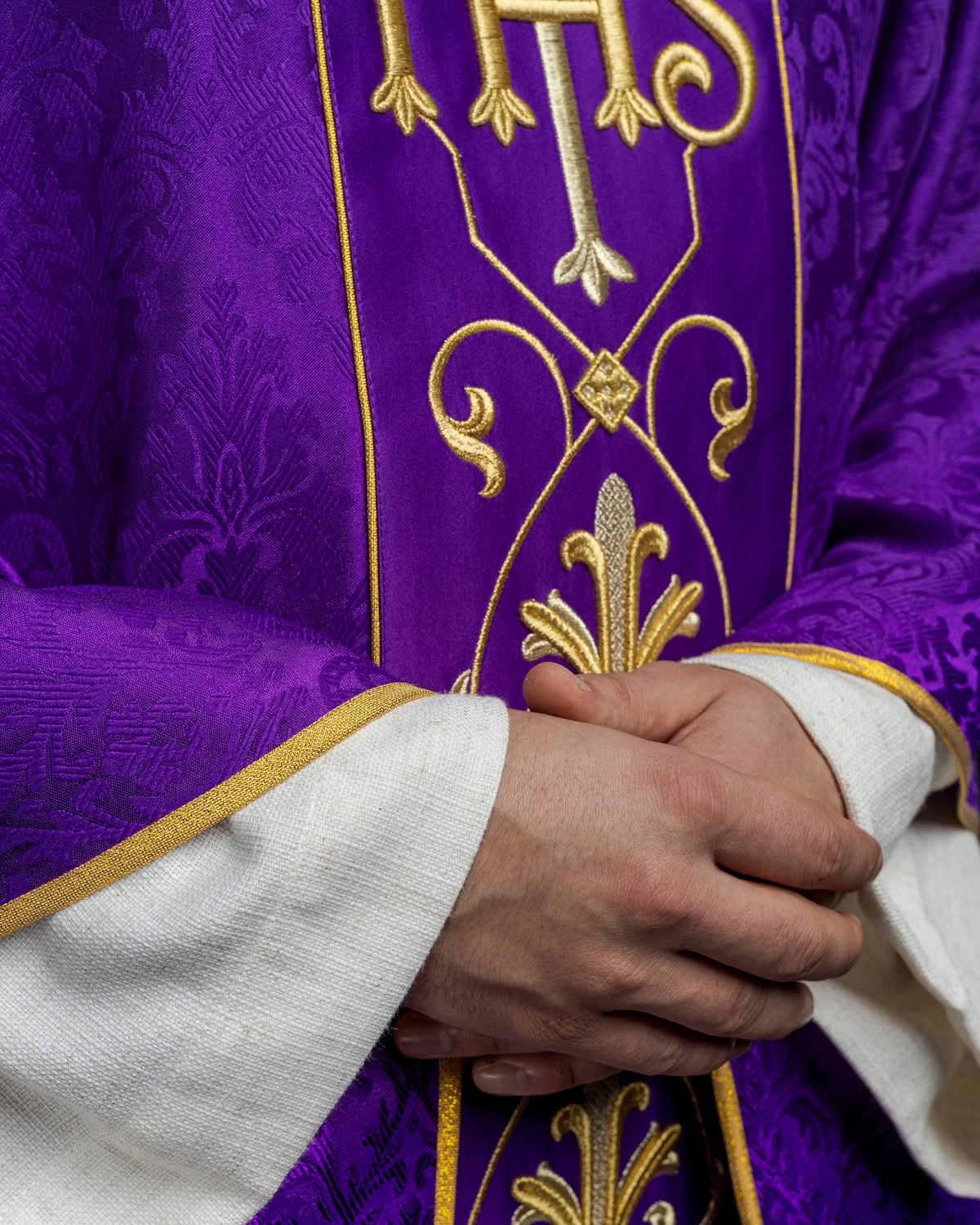
The Importance of the Sacristan in the Liturgy The sacristan plays a crucial role within the parish community, often working behind the scenes but with a significant impact on the dignity and beauty of liturgical celebrations. Among their many responsibilities, the care of liturgical vestments and sacred accessories holds a prominent place. This task is not simply a matter of maintenance, but a true liturgical service, requiring attention, respect, and knowledge of the symbolic meaning of each element.
Responsibilities of the Sacristan in Managing Liturgical Vestments
The sacristan is the custodian of liturgical vestments, which implies a series of specific tasks:
- Inventory and cataloging: Maintain a detailed inventory of all liturgical vestments present in the sacristy, cataloging them by liturgical color, fabric, decorations, and occasions for use.
- Cleaning and maintenance: Ensure that the vestments are always clean and in good condition. This may include hand or dry cleaning, ironing, repairing small damages such as loose seams or tears, and removing stains.
- Proper storage: Store the vestments appropriately, protecting them from dust, humidity, moths, and other agents that could damage them. Use padded hangers to avoid deformations and store delicate vestments in special cloth bags.
- Preparation for celebrations: Prepare the liturgical vestments needed for each celebration, based on the liturgical calendar and the priest’s instructions. This includes choosing the appropriate liturgical color, verifying the condition of the vestments, and arranging them neatly in the sacristy.
Caring for Liturgical Accessories: Chalices, Patens, and Other Sacred Objects
In addition to vestments, the sacristan also takes care of liturgical accessories, which are essential for the celebration of the Eucharist and other sacraments. These objects, often made of precious metals such as gold and silver, require particular attention to preserve their beauty and dignity.
- Cleaning and polishing: Regularly clean and polish chalices, patens, thuribles, incense boats, candlesticks, and other sacred objects, using specific products for precious metals. Avoid using abrasives that could scratch or damage the surface.
- Secure storage: Store sacred objects in a safe and protected place, such as a locked cabinet or safe, to prevent theft or damage.
- Maintenance and repair: Periodically check the condition of sacred objects and arrange for their repair in case of damage. This may include soldering broken parts, replacing missing precious stones, or repairing defective mechanisms.
- Preparation for celebrations: Prepare the liturgical accessories needed for each celebration, arranging them on the altar or in the sacristy in an orderly and accessible manner.
The Importance of Liturgical Fabrics and Their Symbolic Meaning
Liturgical vestments are not mere garments but symbols that refer to profound spiritual realities. Each liturgical color has a specific meaning:
- White: Symbolizes joy, purity, glory, and resurrection. It is used during Eastertide, Christmastime, feasts of the Lord (except those of the Passion), feasts of the Madonna, angels, and non-martyr saints.
- Red: Symbolizes blood, fire, love, and martyrdom. It is used on Palm Sunday, Good Friday, Pentecost, feasts of the apostles, and martyr saints.
- Green: Symbolizes hope and eternal life. It is used during Ordinary Time.
- Violet: Symbolizes penance, conversion, and waiting. It is used during Advent and Lent.
- Black: Symbolizes mourning and sadness. It can be used in funeral masses.
- Rose: Symbolizes subdued joy. It can be used on the Third Sunday of Advent (Gaudete) and the Fourth Sunday of Lent (Laetare).
The fabrics used for liturgical vestments also have a symbolic meaning. Precious fabrics such as silk and brocade refer to the dignity and sacredness of divine worship, while simpler fabrics such as linen and cotton symbolize humility and poverty. Caring for liturgical fabrics, therefore, is a way to honor the mystery being celebrated.
How HAFTINA TEXTILE GROUP SP. Z O. O. Supports Sacristans in Their Mission
HAFTINA TEXTILE GROUP SP. Z O. O., with its brand HaftinaUSA.com, is a reliable partner for sacristans and parishes who wish to take care of their liturgical vestments and sacred accessories. We offer a wide range of high-quality products, made with fine materials and artisanal care:
- Liturgical vestments: Chasubles, stoles, copes, dalmatics, albs, surplices, humeral veils, tunics for altar servers, and other sacred vestments, made in various liturgical colors and fabrics.
- Liturgical accessories: Chalices, patens, ciboria, monstrances, thuribles, incense boats, candlesticks, processional crosses, and other sacred objects, made of precious metals such as gold and silver.
- Liturgical linens: Corporals, purificators, lavabo towels, palls, chalice veils, burse for corporals, and other textile accessories for the celebration of the Eucharist.
- Altar linens: Altar cloths, lectern covers, carpets, and other fabrics to decorate and protect the altar.
In addition, we offer a personalized consulting service to help sacristans choose the products that best suit their needs and to care for liturgical vestments and sacred accessories in the best way. We are aware of the importance of the sacristan’s role and want to support them in their mission by offering high-quality products and impeccable service.
Practical Tips for the Care and Maintenance of Liturgical Vestments
Here are some practical tips for the care and maintenance of liturgical vestments:
- Wash vestments by hand or dry clean: Avoid machine washing, which could damage delicate fabrics and decorations. If washing by hand, use lukewarm water and a mild detergent. If opting for dry cleaning, use a laundry specializing in delicate fabrics.
- Iron vestments at a low temperature: Use a low-temperature iron and protect delicate fabrics with a cotton cloth. Avoid ironing decorations or embroideries directly.
- Repair small damages immediately: Do not delay repairing small damages such as loose seams or tears, which could worsen over time. Use silk or cotton thread of the same color as the fabric and a fine needle.
- Store vestments in a cool, dry place: Avoid storing vestments in humid environments or exposed to direct sunlight, which could damage the fabrics and fade the colors.
- Use padded hangers: Use padded hangers to avoid deformations and protect the shoulders of the vestments.
- Store delicate vestments in cloth bags: Store delicate vestments in special cloth bags to protect them from dust and moths.
The Importance of Continuous Training for Sacristans
The role of the sacristan is constantly evolving, and to perform it at its best, it is important to participate in training and refresher courses. These courses can provide valuable information on the liturgy, the care of liturgical vestments and sacred accessories, the management of the sacristy, and other important aspects of liturgical service. Continuous training helps sacristans grow professionally and perform their role with competence and passion.
Conclusion
The sacristan is a custodian of the beauty and sacredness of divine worship. Their care of liturgical vestments and sacred accessories is a valuable service to the parish community, helping to create an atmosphere of prayer and reverence during liturgical celebrations. HAFTINA TEXTILE GROUP SP. Z O. O., with its brand HaftinaUSA.com, is proud to support sacristans in their mission by offering high-quality products and impeccable service.